Welcome to Auto Bar Feeder!

Call us 9:00am - 6:00pm
+90 (312) 870 17 72
Monday to Friday
9:00am - 6:00pm
E-mail us
info@autobarfeeder.com
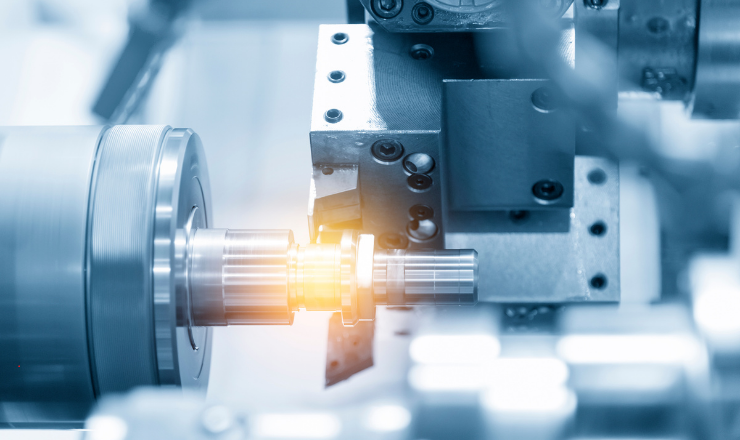
THE BENEFITS OF USING A BAR FEEDER IN SMALL-BATCH PRODUCTION
When you hear “bar feeder,” you might immediately think of large-scale mass production lines running thousands of identical parts. But that’s not the whole story. Bar feeders offer real advantages even in small-batch or job shop environments—where flexibility and efficiency are just as important. Why consider a bar feeder for small-batch work? First, it speeds up changeovers. In a job shop, you’re often switching between different parts and bar sizes throughout the day. Modern bar feeders are designed for quick setup and easy adjustments, meaning you can go from one job to the next with minimal downtime. This directly translates into more parts produced per shift — even if you’re only running 50 or 100 pieces at a time. Second, a bar feeder reduces manual handling. Loading bars and feeding material by hand isn’t just slow—it also increases operator fatigue and the chance of errors. By automating this step, you lighten the operator’s workload and improve consistency in feeding. Fewer mistakes mean fewer scrapped parts, which is critical when you have smaller runs and tighter margins. Third, consistent feeding improves machining quality. Uneven or jerky feeding can lead to poor surface finishes and accelerated tool wear. A bar feeder keeps the material moving smoothly and steadily, helping your tooling last longer and your parts meet quality standards without rework. Another advantage often overlooked is the ability to run unattended or semi-automated cycles. This frees up skilled operators to focus on more complex tasks, programming, or inspection rather than manual loading. For a small shop, making the best use of your human resources is just as important as improving machine throughput. Flexibility is key for small-batch shops. Because you often deal with various part types and sizes, the right bar feeder needs to adapt quickly. Look for models that handle a wide range of bar diameters, with adjustable liners and easy collet changes. Some machines even offer programmable feeding speeds and quick-change setups to further reduce transition times. Small shops that embrace smart automation and flexible tooling can actually outpace larger competitors stuck with older, slower processes. A bar feeder might seem like an investment, but it often pays for itself through increased productivity, higher part quality, and reduced labor costs. In short, don’t overlook bar feeders just because you’re not running huge production volumes. With the right setup, they become a powerful tool that can help your shop stay competitive, responsive, and efficient no matter the batch size.Get in Touch
Have questions? Don’t hesitate to reach out — we’re here to help every step of the way.
Call us on
+90 (312) 870 17 72
Email us
info@autobarfeeder.com
Post A Comment